
Google & Enshitification
Is Google Search Getting Worse?
I see an abundance of discourse on the perceived threats to Google Search amidst the rise of AI models (LLMs)... Yet, the irony is stark:
- In 2023, Google reported traffic of over 80 billion monthly visits (holding more than 90% market share).
- 50% of users click on results within 9 seconds.
- Over 80% of users assert they find what they need. Nearly $200 billion in advertising revenue in 2023.
- A brilliant technology adept at classifying user search types (navigational, informational, commercial, or transactional) and analyzing page authority.
Despite these staggering figures, an increasing number of users are seeking alternatives. More than 40% of Gen Z and Millennials now turn to TikTok for their search needs, positioning this platform as the fourth most popular search engine after Google, YouTube, and Bing.
What, then, is Google's nemesis?
A Hacker News article highlighted concerns over the decline in search result quality and its impact on user trust. A significant research study, 'Is Google Getting Worse? A Longitudinal Investigation of SEO Spam in Search Engine Results,' analyzed Google's search results over a year. While Google seemingly maintains a balance between advertisements and organic results, the study concluded that organic results often masquerade as advertisements. This trend suggests that Google’s platform is increasingly becoming manipulable, deviating from its original mission.
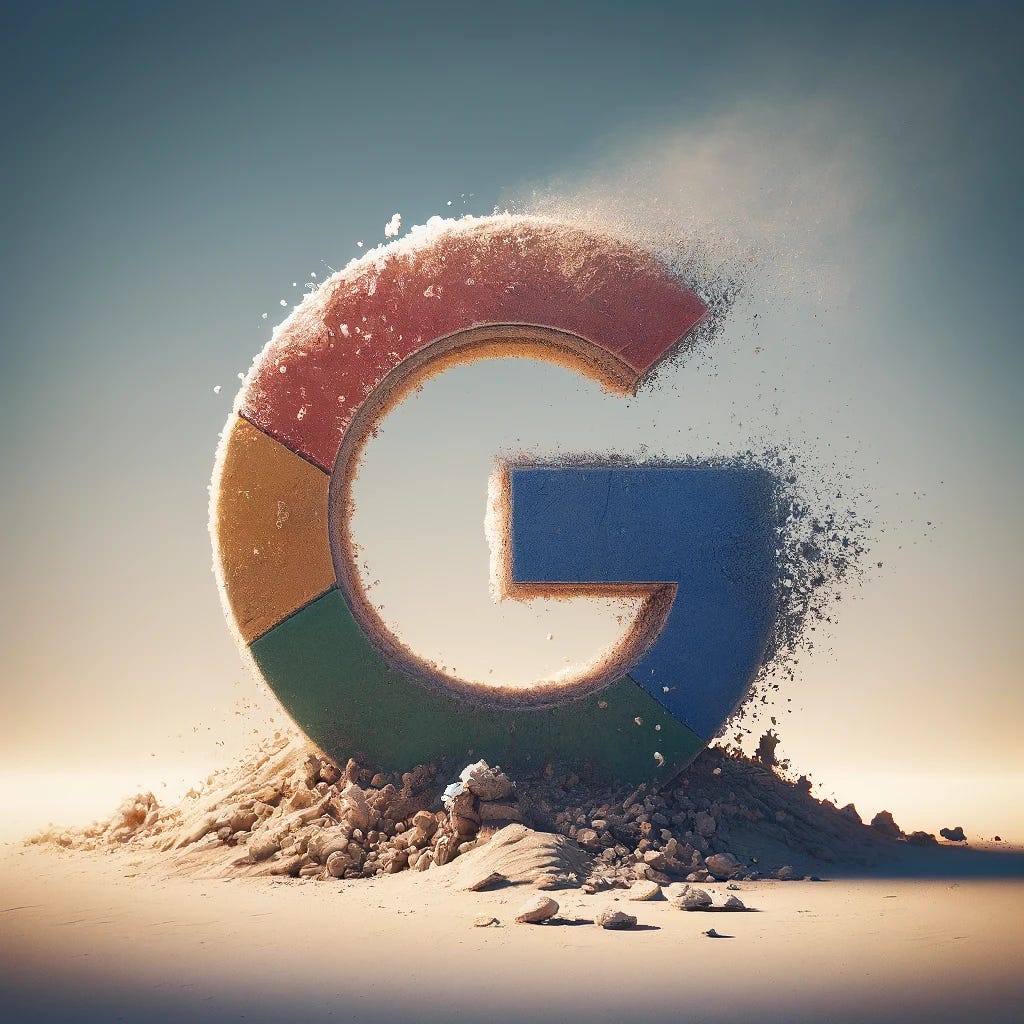
Is Google at Risk of Enshitification?
Cory Doctorow's concept of 'enshitification' succinctly describes the lifecycle of platforms. Initially, they prioritize quality to build a loyal user base. As time progresses, monetization begins to overshadow user experience, leading to both creators and consumers feeling trapped. The final stage? Abandonment, as the relentless pursuit of profit erodes the platform's core essence.

Even though AI-driven platforms still exhibit errors in search result accuracy, they often provide a better user experience. Perplexity.ai is a prime example of this improvement. For instance, when searching for a restaurant, Perplexity.ai doesn’t just list options; it analyzes them according to criteria derived by the user, such as price range, location, and available menus, providing a tailored result. Similarly, for shopping queries, it offers comparative analyses and summaries of product reviews, enhancing the decision-making process. Each result is supplemented with popular questions related to the topic, allowing users to explore further and find precisely what they need, enhancing both the relevance and the value of search outcomes.
With shifting user behaviors and challenges in maintaining content relevance, Google might be facing a risk of decline. The real threat to Google might not stem from AI. The question is whether the search engine is becoming less relevant due to advertising. Perhaps not, as the impacts of search engine optimization (SEO) in advertising affect search results and the added value they deliver, underscoring the intricate challenge of enhancing user experience